What you discover may surprise you.
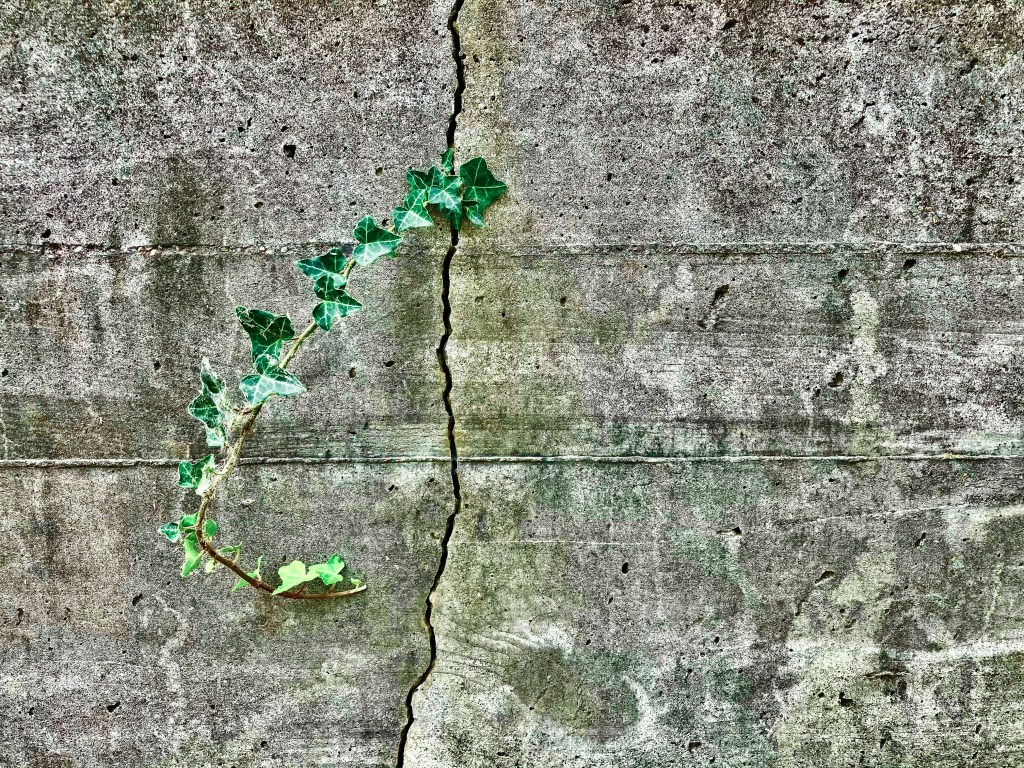
Welcome to The Place of No Hope. I will be your tour guide for our time together.
What you experience on your visit may surprise you. You may think that you know what awaits you, but you do not. Not unless you have been here before.
First, take a seat. Get comfortable. Sink into the broken couch that bends your body in on itself and leaves your behind scraping the floor.
Look out the window without interest. The day is sodden, heavy, and your low energy level does not respond to your morning cup of black coffee, no sugar.
Consider your options. You could call in sick to work—but then, you’ve already called in twice this week. Besides, staying home only deepens what you are feeling.
(You may be thinking that this is simple depression–although there is nothing simple about depression. But this is not that. Trust me–I know of what I speak.)
Turn your attention to the smallest division of time that you can manage to acknowledge. Rest in the thought that all you need to do is take this day one minute, one breath, one heartbeat at a time.
Now, stand up and return your cup to the kitchen. Step into the shower. Eat breakfast, whatever you can manage. Dress in a familiar and comfortable outfit.
Pick up your keys and bag from the table. Open the door. Step into the hallway. Close the door and lock it behind you. Turn toward the elevator.
Once you reach the ground floor, step into the lobby, out the front door, down the steps into the street. Turn left, right, then left again. Climb the hill that used to leave you winded. Descend the stairs into the 204th Street subway station and go through the turnstile.
This station is the terminus for New York City’s A train. The cars are empty and waiting for the signal to close their doors and head downtown. Choose a seat. Might I suggest the seat in the corner, facing the closed door of the conductor’s cab? Good. Relax into the curve of the fiberglass, lock your arms through the straps of your bag, plant your feet flat on the floor, which is sticky and streaked with dirt.
And wait.
Wait. Let your mind be empty. Empty and present. Because you’ve come to the end of all you can do.
A woman steps into the car and sits down across from you at an angle, her soft satchel on her lap, her ankles crossed. She turns her brown face toward you, and her dark eyes meet yours. —I know, I know, on any other day you would not look a stranger on the subway in the eyes, but just now, remember, you are past the point of caring.
She smiles.
Take a second to recognize that her smile demands nothing, expects nothing. It is simple, genuine. You feel a smile rising inside you.
Smile back. Without demand, without expectation. A simple smile.
There is nothing more to this encounter, note. But—do you feel that?—your inner posture shifts.
The doors close, the train rattles out of the station.
Now, note what happens next.
All day, on the subway, in the street, at the coffee shop, people smile at you.
Not broad, boisterous smiles, eager and too friendly—those are the masks of people who want you to give them money, or listen to their spiel, or give them access to your time and attention.
No, all day long people smile at you in the same simple, genuine way. Everywhere you go, you find kindness and presence.
You are walking in a state of grace.
Welcome to The Place of No Hope. Are you surprised? Did you think The Place of No Hope would be a place of despair?
Do you understand what just happened to you?
The first time I experienced The Place of No Hope, I thought maybe the woman smiled at me because I looked miserable, and she felt sorry for me. But I could remember days when I dragged my misery with me through the streets of New York, and people seemed only too eager to meet me with more of the same. Faces unforgiving, angry and impatient. Eyes hardened behind rigid agendas.
At the time, I was pursuing an opera career. Every morning I strapped myself into what I imagined to be the trappings of The Diva. I leaned into the day, pushed myself forward. My eyes narrowed their focus, my cheeks and mouth tightened into a mask.
My dream was to run away, to live the life I felt churning inside me, move to a small two-room shack—somewhere out West in a wild and lonely place, or maybe in the Blue Ridge Mountains—and WRITE, WRITE, WRITE. All of my close friends were writers, which should have told me something.
But the craving to be center stage, to be recognized as A Great Artist, la diva sans pareil—these kept me trapped on the treadmill for more than a decade.
I felt like a fraud. I couldn’t bring myself to knock on doors for fear that—well, it wasn’t clear what I thought might happen.
Feel the fear, and do it anyway, I told myself.
Then, one day it occurred to me to ask, What is it that I am afraid of? The answer was immediate—and unexpected.
I’m afraid I’ll have to spend the rest of my life with these people.
These people: the voice coaches and movement coaches, who only wanted to stack their studios with successful singers whose names they could use to build their practice. The experts who sat behind long tables at auditions, scribbling on pads while I sang my heart out, denying me their eyes, judging my singing and my comportment and the way the cheap material in my dress shook with the effort to conceal my nerves. Cutting me off a few measures into the aria: Thank you, that’s all we need. Thank you. And the other singers, my peers, who loaded me down with underhanded compliments: What a beautiful voice you have! How wonderful it will be when you learn to use all of it. Critics whose dim views of my talent I took to heart, working on myself, tying myself into knots and drinking myself into blackouts—
I’m afraid I’ll have to spend the rest of my life with these people.
The Place of No Hope was a place where I could no longer lie to myself. Ground zero. The reboot. The point at which I asked myself what I wanted and did not want my life to be about.
I see confusion in your faces. Any questions? No?
Allow me to clarify one point. What we call The Place of No Hope—what you have just experienced—is not, I repeat, NOT the place of hopelessness.
How many of you remember the Devil’s Snare in the Harry Potter books and movies? Do you remember what Hermione tells Harry and Ron? Don’t struggle! It will only grip you tighter. She tells them to relax, and once they do, the tortured vine releases them.
The Place of No Hope is where the only recourse is to let go, to surrender your forced expectations of yourself, and allow your soul—and your face—to soften around what is.
When I was no longer able to press myself into the mold of what I thought I should be, I opened to receive that woman’s presence and her smile.
Does anyone here know the story of the Creation in the Bible? “And the earth was without form and void, and darkness was upon the face of the deep.” There was nothing. And that nothing was creative space–the place where Creation could happen.
Ah, I see a raised hand—
OK, the question is: Why did I bring you along with me on this experiential tour?
Because I find myself in despair these days. Forcing myself into the armor of some image that I hold in my head. And I go through all the machinations, trying to squirm and struggle my way out. What happens? The despair deepens, the Devil’s Snare holds me tight in its grip. Happens every single time—until something clicks:
Ooh! I know what this is! This is The Place of No Hope!
The irony is that only once I surrender to where I find myself, can I take meaningful action. —Now, let me be honest, how that happens I don’t understand. But it has something to do with resting in a space of not doing, not knowing. Not even hoping.
I am forced to let go of the grandiose image of myself that traps and paralyzes me. I return to right size, the size of another human being on the planet, a person among other persons, messy and imperfect, small and vulnerable.
And yet, as I settle back into my own skin, I find strength in accepting who I am, right where I am. Which is the point at which I can create.
Does that answer your question?
I’m sorry, that’s all the time we have.
I hope—yes, I’m aware of the irony— that you’ve enjoyed this tour of The Place of No Hope. Please recommend us to any of your friends and family who might benefit from pondering how to move with grace and authentic strength through this unhappy world.
And if you ever need a refresher, won’t you come and visit us again?


Thank you for allowing me to sit and walk with you for a moment. You have taken me to a familiar place.
LikeLike
Thank you, Charlie, for going there with me.
LikeLike